Office space has a habit of filling up fast. One extra chair here, another storage unit there, and suddenly the room feels tighter than it should. We often witness this when businesses start to grow or shift towards hybrid working. The layout that once worked perfectly begins to feel awkward.
That’s where thoughtful planning helps. When you design office furniture with space and efficiency in mind, the entire workplace begins to perform better. Movement improves. Clutter fades. People find what they need faster.
Here’s the thing. Space saving rarely comes from one big change. It usually comes from a series of smart decisions about furniture, layout, and how people actually work during the day.
Let’s break down a few practical ideas that make a real difference.
Start with Layout Planning Before You Design Office Furniture
Furniture works best when the layout makes sense first. Too many offices start with desks and storage units before considering movement and workflow.
Excellent planning looks at a few basics:
• How teams move through the space
• Where teamwork happens
• Where quiet work needs to happen
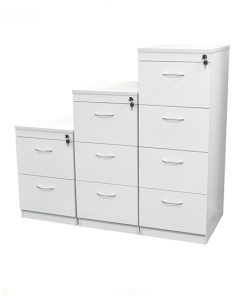
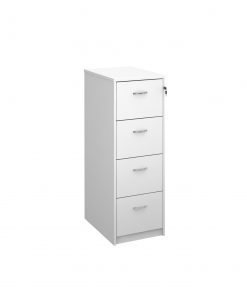
• How much storage is genuinely required
A simple shift in layout can free surprising amounts of space. Desks arranged in clusters rather than rows often open up walkways and shared zones.It also dismisses the need for identical furniture.
With planned tools, this can be done before they buy or put anything together; teams can see how furniture fits with the way things look, and it saves time and money because it keeps people from guessing and getting into awkward situations later on.
Choose Furniture That Serves Multiple Purposes
Often, being flexible is the best way to make the most of a room. When something can fulfil more purposes, the room is easier to breathe in.
A few practical examples include:
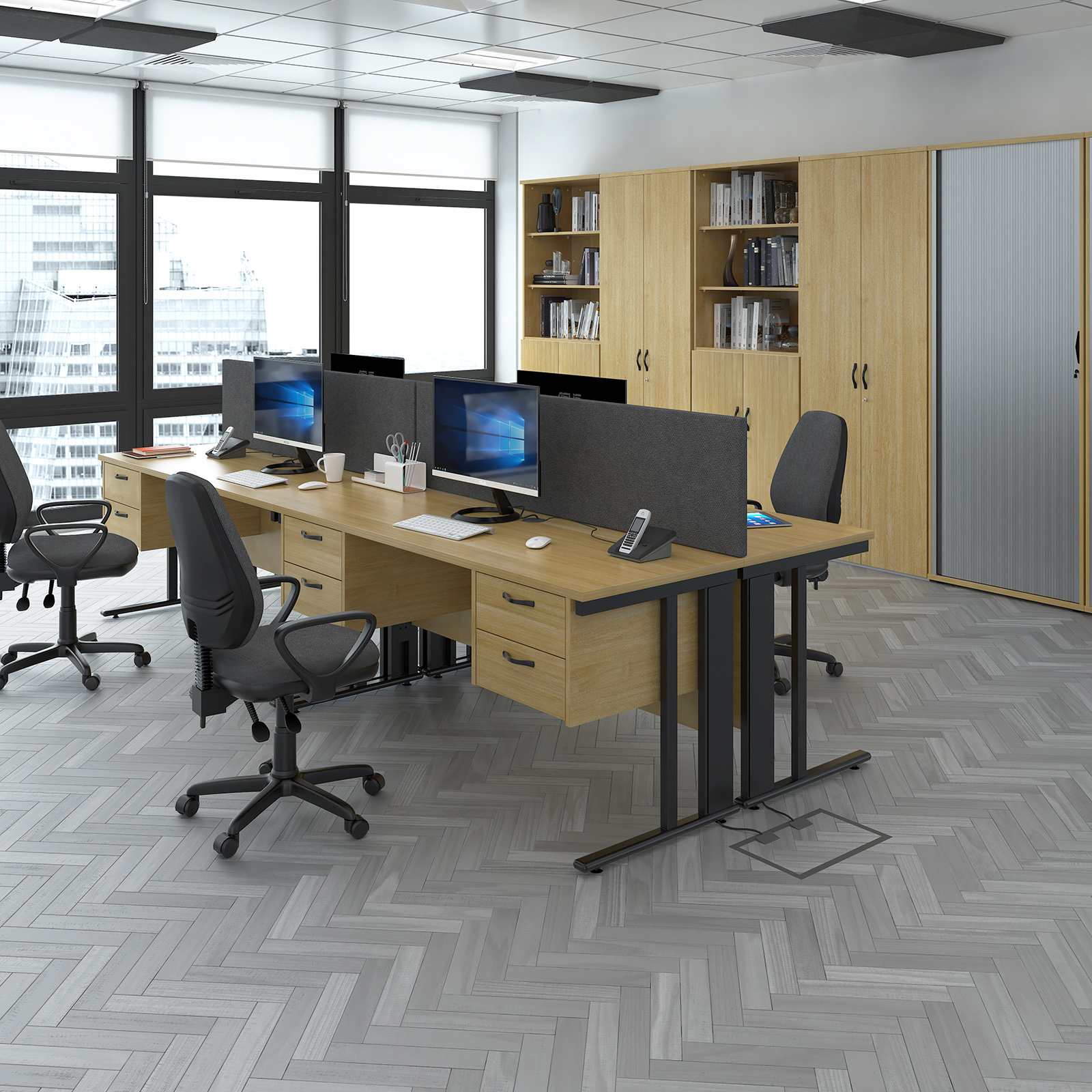
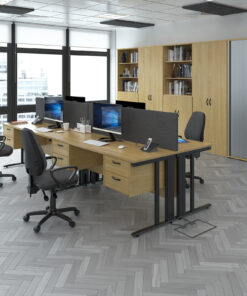
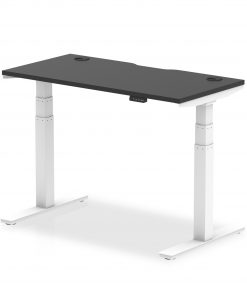
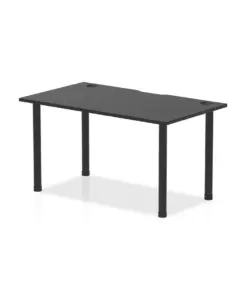
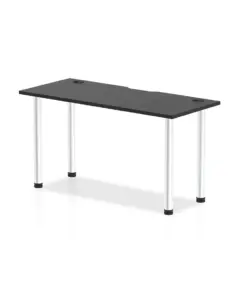
• Bench desks that seat several staff without bulky dividers
• Mobile pedestal drawers that move between workstations
• Meeting tables that double as collaboration desks
• Modular seating that adapts to team size
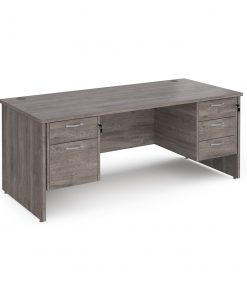
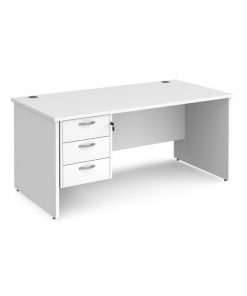
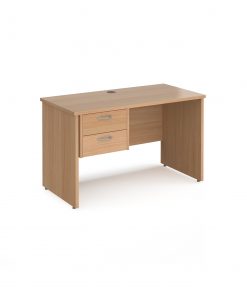
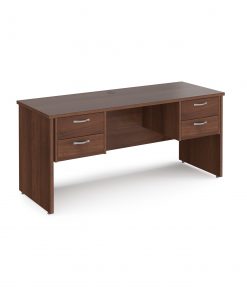
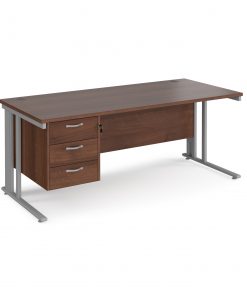
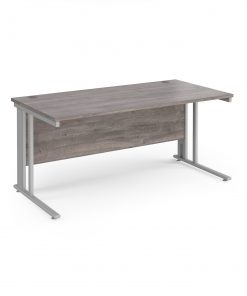
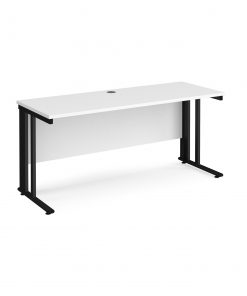
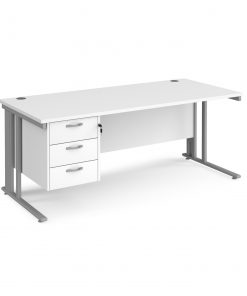
In many workplaces, bulky executive desks quietly eat floor space. Replacing them with streamlined bench systems can dramatically improve flow.
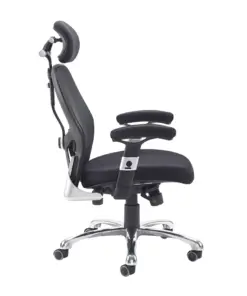
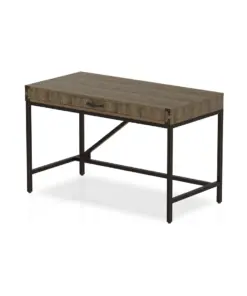
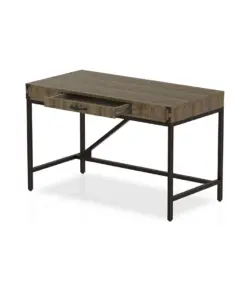
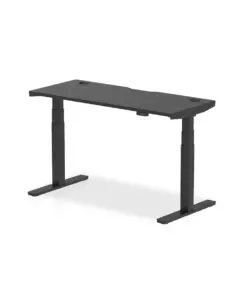
We often recommend options like bench desk systems or compact workstations available through Docklands Office Furniture. They maintain comfort while trimming the footprint.
The result is simple.
More room.
Better movement.
Less visual clutter.
Think Vertical When Designing Office Storage
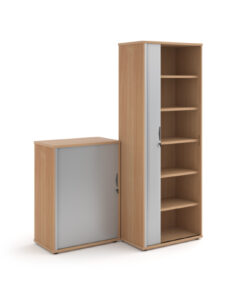
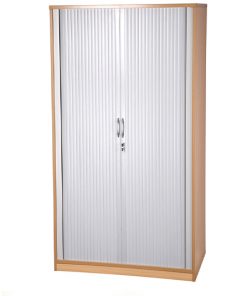
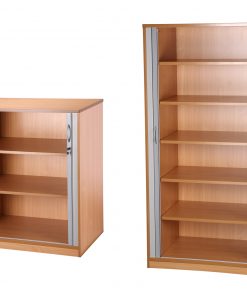
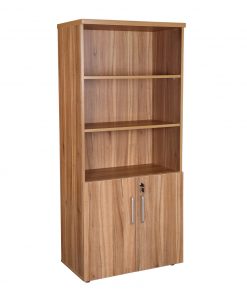
Floor space disappears quickly when storage grows sideways. Vertical storage solves this without sacrificing capacity.
Wall-mounted or tall storage units keep materials accessible while freeing up valuable floor space.
Consider options like the following:
• Tall cupboard units
• Shelving systems that run upward rather than outward
• Shared storage walls for departments
The change appears small, yet it transforms the feel of rooms. People spend less time going back and forth between closets, and the offices look better.
Modern ways of working also complement vertical storage. The fact that many papers are now digital suggests that teams need smarter storage instead of excess storage.
Use Modular Furniture That Grows with the Business
Offices rarely stay static. Teams expand, projects shift, and working styles evolve.
Modular furniture keeps pace with these changes. Desks and seating can be rearranged, added to, or scaled down based on the needs of an office.
Examples that work well include:
• Modular desk clusters
• Movable meeting tables
• Reconfigurable breakout seating
This approach avoids the trap of furniture that locks a room into one rigid layout.
A flexible office adapts naturally. When teams rearrange a workspace in minutes rather than hours, efficiency improves without major redesign.
Create Defined Zones Without Building Walls
Walls are expensive and permanent. Furniture can define zones far more easily.
Different areas within an office support different tasks:
• Focused work
• Informal collaboration
• Quick meetings
• Quiet concentration
Furniture placement can naturally shape these zones. A row of shelving, a cluster of sofas, or a meeting table instantly signals how a space should be used.
This kind of layout planning often increases usable space. Teams avoid crowding into one area because the office already guides them to the right spots.
Declutter the Floor with Smart Cable Management
Loose cables are more than an eyesore. They eat up space and disrupt the flow of a room.
Integrated cable management helps desks stay tidy, and walkways stay clear.
Modern workstations often include the following:
• Cable trays
• Desk cable ports
• Under-desk power management
It seems technical, yet the benefit is simple.
Clear surfaces.
Clean floors.
Fewer distractions.
When you design office furniture, keeping these practical details in mind, the workspace feels calmer and easier to use.
Design Office Furniture with People in Mind
Space planning often focuses on measurements. But people shape how a workplace truly functions.
An efficient office balances several needs:
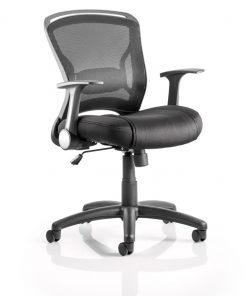
• Comfortable workstations
• Uncomplicated movement paths
• Collaborative areas
• Storage that stays within reach
When these elements work together, the office becomes smoother to operate.
One thing we have noticed over the years: employees naturally gravitate toward spaces that feel open and organised. Cluttered layouts quietly drain energy, while well-designed offices keep teams focused.
Good design seldom shouts.
It simply works.
Design Office Furniture with Docklands Office Furniture Space Planning
Creating an efficient workplace starts long before furniture arrives. It begins with understanding how the space will be used day-to-day.
That’s exactly where our full office design and space planning service comes in at Docklands Office Furniture.
We work closely with clients to map out their workspace, looking at the following:
• Office dimensions
• Team structure
• Workflow patterns
• Storage requirements
Using detailed layout planning, we help businesses design office furniture solutions that make better use of available space. The aim is simple: a workplace that feels organised, comfortable, and ready to grow.
From desk systems to storage layouts, we help shape offices that support productivity without wasting a square metre.